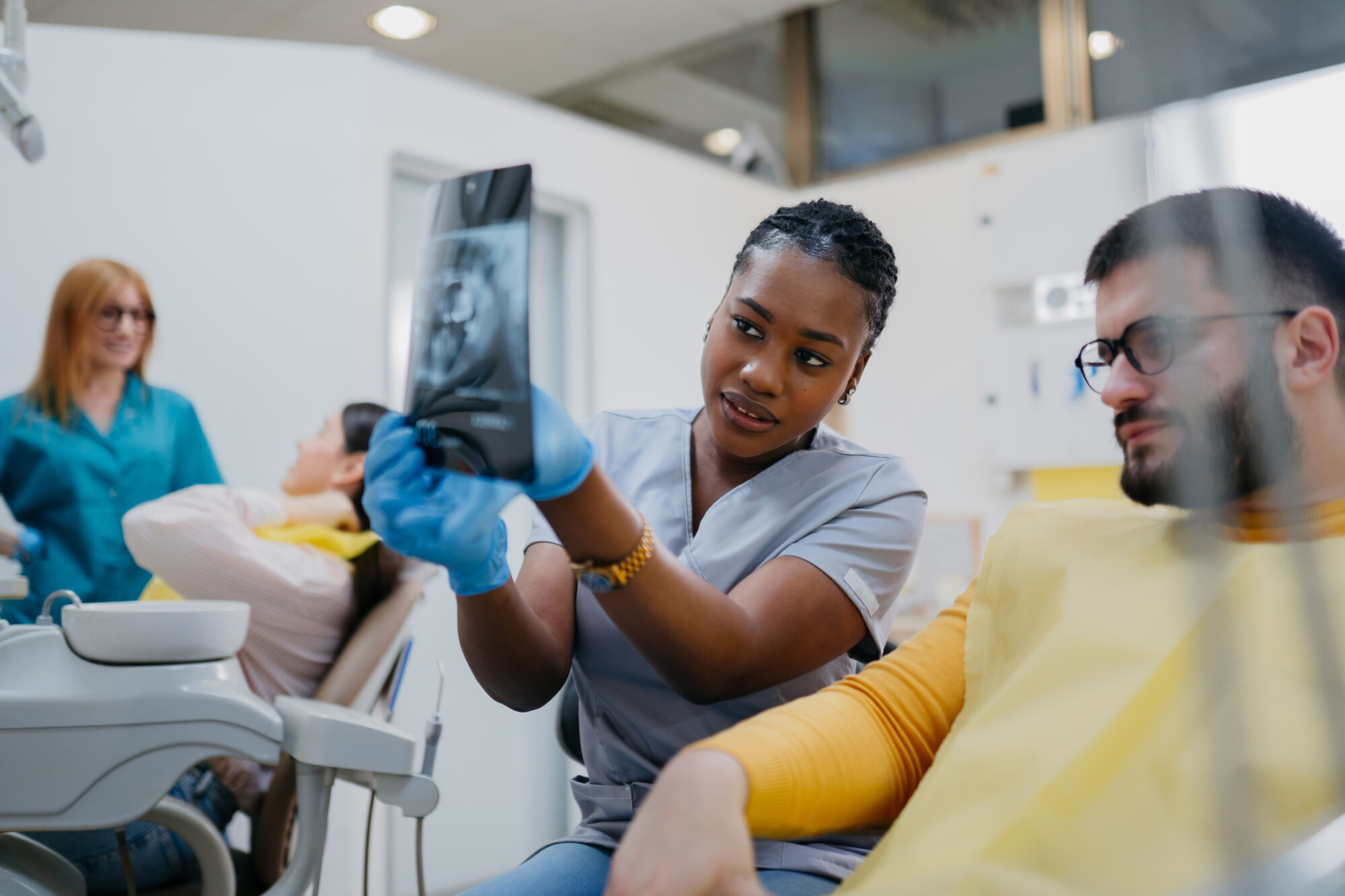

Parents often wonder: When is the right time for my child to see an orthodontist? While every child develops at a different pace, the American Association of Orthodontists (AAO) recommends that children have their first orthodontic evaluation by age 7. At Noble Orthodontics, we believe this milestone is crucial because it allows us to monitor jaw growth, identify potential issues early, and guide your child toward a healthier, more confident smile.
In this blog, we’ll explore why age 7 is such an important age for orthodontic evaluation, what early treatment can accomplish, and how it can set your child up for long-term success.
The Benefits of Early Orthodontic Evaluation
By age 7, most children have a mix of baby (primary) teeth and permanent teeth. This transition stage provides orthodontists with valuable insights into how a child’s mouth is developing. An early exam can help identify:
- Overcrowding or spacing issues
- Bite problems (underbite, overbite, crossbite, or open bite)
- Jaw growth irregularities
- Protruding teeth at risk of injury
- Habits that affect dental development, such as thumb sucking or tongue thrusting
Identifying these issues early doesn’t always mean immediate treatment. In many cases, early evaluation simply helps the orthodontist monitor growth and determine the best timing for future care.
Why Age 7?
At age 7, the first adult molars usually erupt, creating the back bite and establishing how the upper and lower teeth fit together. This makes it the perfect time for an orthodontist to evaluate:
- How the bite is developing
- Whether the jaws are growing properly
- If space is sufficient for permanent teeth
This early snapshot allows orthodontists to spot red flags that may not be obvious to parents or even pediatric dentists. By catching these concerns early, we can intervene when it’s most effective and least invasive.
What Early Treatment Can Do
Early orthodontic treatment, often called Phase I treatment, doesn’t mean braces right away. Instead, it may involve appliances or simple interventions to guide jaw growth and tooth eruption. Common goals include:
- Creating space for crowded teeth: Early expansion can prevent the need for tooth extractions later.
- Correcting crossbites or underbites: These issues can worsen as the jaws grow if not addressed early.
- Reducing risk of trauma: Protruding front teeth are more likely to be injured. Early correction helps protect them.
- Breaking bad habits: Appliances can help discourage thumb sucking or tongue thrusting, which may cause bite problems.
Phase I treatment typically lasts 12–18 months and is followed by a resting period until most permanent teeth erupt. Later, Phase II treatment (often braces or aligners) fine-tunes the bite and alignment. The benefit of this two-phase approach is that it can make the second phase shorter, less complex, and more effective.
What Happens at the First Visit?
At Noble Orthodontics, a first orthodontic evaluation is a comfortable and informative experience. During the visit, we:
1. Review your child’s medical and dental history
2. Take X-rays or photos, if needed.
3. Examine tooth eruption patterns, bite, and jaw growth
4. Discuss any habits that might affect development
5. Create a personalized plan for monitoring or treatment, if necessary
Even if no immediate treatment is recommended, parents leave the consultation with peace of mind and a clearer understanding of their child’s oral health.
The Advantages of Early Intervention
Early orthodontic care can provide a range of benefits, including:
- Guided growth: Addressing jaw growth problems early can reduce the need for surgery later.
- Improved function: Correcting bite issues helps children chew and speak more comfortably.
- Enhanced confidence: A healthier smile can boost self-esteem, even in young children.
- Simplified future treatment: Early corrections can make Phase II treatment shorter and easier.
Think of it as setting the foundation for a lifelong healthy smile.
When Waiting Is the Best Option
It’s important to note that not all children need treatment at age 7. Sometimes, the best course of action is simply to wait and watch. Regular check-ins allow the orthodontist to monitor progress and step in only when the time is right. This approach ensures your child doesn’t undergo unnecessary treatment but still receives care at the most effective stage.
Common Myths About Early Orthodontic Treatment
Myth 1: Baby teeth don’t matter because they’ll fall out anyway.
In reality, baby teeth play a crucial role in guiding permanent teeth into place. Losing them too early (or holding onto them too long) can create alignment issues.
Myth 2: Early treatment means braces for 10 years.
Phase I treatment is limited and targeted. It’s not about putting a child in braces for years but about addressing specific concerns while the jaw is still developing.
Myth 3: Only dentists can spot orthodontic problems.
Pediatric dentists play a vital role, but orthodontists specialize in diagnosing and treating bite and alignment issues. An early evaluation ensures nothing is overlooked.
How Parents Can Help
Parents play a vital role in ensuring their child’s orthodontic success. Here are a few tips:
- Schedule an orthodontic evaluation by age 7
- Encourage good oral hygiene habits early
- Keep up with routine dental check-ups
- Monitor and discourage habits like thumb sucking
- Ask questions during orthodontic visits to fully understand the plan
Being proactive now can save time, money, and potential discomfort later.

Final Thoughts: A Healthy Start for a Confident Smile
Early orthodontic evaluation at age 7 provides valuable insight into your child’s dental development. While not every child will need treatment right away, identifying potential issues early allows for timely and effective care. At Noble Orthodontics, our goal is to guide your child toward a healthy, confident smile with personalized treatment that fits their unique needs.
Has your child turned 7? Now is the perfect time to schedule their first orthodontic evaluation with Noble Orthodontics. Contact us today to book a consultation and take the first step toward setting your child up for a lifetime of healthy, happy smiles.