When most people think about orthodontics, they picture straighter teeth and a more attractive smile. While aesthetics are certainly important, orthodontic treatment goes far beyond appearance. One of its most critical roles is correcting bite problems—also known as malocclusion—which can have a significant impact on jaw health and overall function.
Understanding how your bite affects your jaw can help you recognize symptoms early and seek appropriate care before minor issues develop into more serious conditions.
What Is a Bite Problem?
Your bite refers to how your upper and lower teeth come together when your mouth closes. Ideally, your teeth should fit together in a balanced way that allows for efficient chewing, clear speech, and minimal strain on the jaw joints and muscles.

Common Types of Bite Problems
- Overbite: Upper front teeth excessively overlap the lower teeth
- Underbite: Lower teeth sit in front of the upper teeth
- Crossbite: Some upper teeth sit inside the lower teeth rather than outside
- Open Bite: Front teeth do not touch when the mouth is closed
- Crowding or Spacing Issues: Teeth are misaligned, affecting how they contact each other
While these issues may seem purely cosmetic at first glance, they can disrupt the way your jaw functions on a daily basis.
The Role of the Jaw in Everyday Function
Your jaw is more than just a hinge—it’s part of a complex system involving muscles, joints, teeth, and nerves. The temporomandibular joints (TMJ), located on each side of your head, connect your jaw to your skull and allow movements like opening, closing, chewing, and speaking.
For this system to work smoothly, everything must be in harmony. When your bite is misaligned, it can throw off that balance, forcing your jaw to compensate in ways that may lead to discomfort or dysfunction.
How Bite Problems Affect Jaw Health
1. Increased Stress on the Jaw Joints
When your teeth don’t fit together properly, your jaw joints often have to work harder to find a comfortable position. This can lead to excessive strain on the TMJ.
Over time, this added stress may result in:
- Jaw pain or tenderness
- Clicking or popping sounds when opening or closing the mouth
- Limited jaw movement or locking
These symptoms are commonly associated with temporomandibular joint disorders (TMD), which can range from mild discomfort to chronic pain.
2. Muscle Fatigue and Tension
Your jaw muscles are constantly active—whether you’re chewing food, speaking, or even swallowing. A misaligned bite can cause these muscles to work unevenly or overtime.
This can lead to:
- Facial soreness
- Tension headaches
- Neck and shoulder discomfort
Many patients don’t initially connect these symptoms to their bite, which is why proper diagnosis is so important.
3. Uneven Wear on Teeth
A healthy bite distributes pressure evenly across all teeth. When alignment is off, certain teeth may bear more force than others.
This can cause:
- Premature wear or flattening of tooth surfaces
- Chipping or cracking
- Increased tooth sensitivity
Not only does this affect dental health, but it can also further destabilize the bite, creating a cycle of worsening issues.
4. Difficulty Chewing and Digestive Impact
Efficient chewing is the first step in proper digestion. Bite problems can make it harder to break down food effectively, especially tougher textures.
As a result, patients may:
- Avoid certain foods
- Experience discomfort while eating
- Swallow larger food particles, which can affect digestion
While this may seem minor, it can impact overall nutrition and quality of life over time.
5. Speech Challenges
Your teeth and jaw play a key role in forming sounds. Misalignment can interfere with proper tongue placement and airflow, leading to speech difficulties such as lisping or unclear pronunciation.
This is particularly important in children, as bite issues can affect speech development if not addressed early.

The Connection Between Bite Problems and TMJ Disorders
One of the most significant concerns related to bite issues is their link to temporomandibular joint disorders (TMD). While not all TMD cases are caused by malocclusion, an improper bite can be a contributing factor.
When the jaw is consistently forced into an unnatural position, the joint and surrounding structures may become inflamed or irritated. Over time, this can lead to chronic symptoms that affect daily activities like eating and speaking.
It’s important to note that TMD is multifactorial—meaning stress, habits like teeth grinding (bruxism), and injury can also play a role. However, correcting the bite is often a key component of long-term relief.
Long-Term Consequences of Untreated Bite Problems
Ignoring bite issues doesn’t just mean living with minor discomfort—it can lead to more serious complications over time, including:
- Chronic jaw pain
- Progressive tooth damage
- Gum recession due to uneven forces
- Increased risk of tooth loss
- Worsening alignment as teeth shift
Early intervention can prevent these outcomes and reduce the need for more complex treatments later.
How Orthodontic Treatment Can Help
Orthodontic treatment is designed not only to straighten teeth but also to create a balanced, functional bite.
Depending on the severity of the issue, treatment options may include:
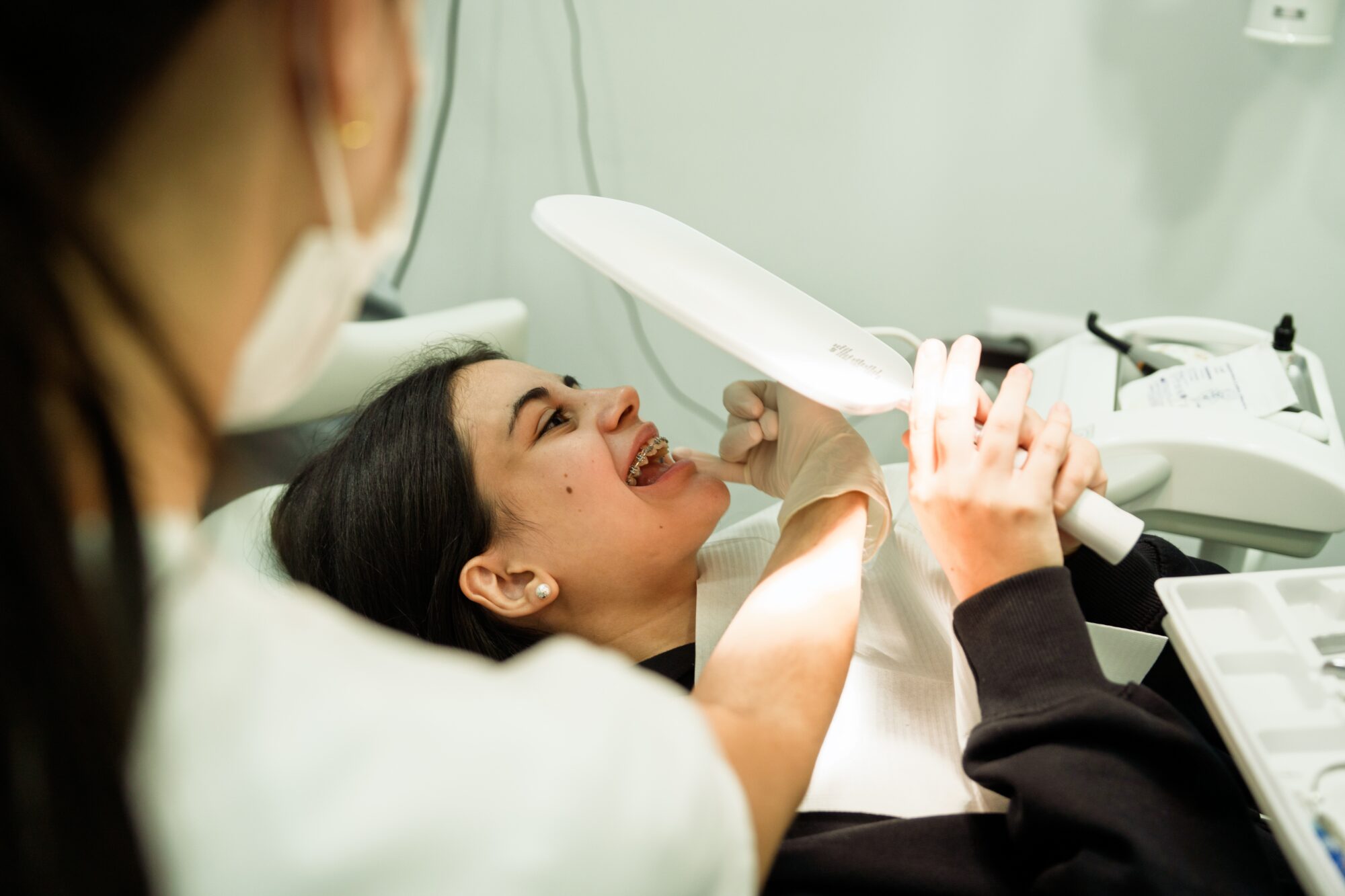
- Braces to gradually move teeth into proper alignment
- Clear aligners for a more discreet approach
- Elastics or other appliances to correct jaw positioning
- Early intervention in children to guide jaw development
By improving how the teeth fit together, orthodontic treatment can reduce strain on the jaw, enhance function, and alleviate many of the symptoms associated with bite problems.
When to Seek Evaluation
You don’t need to be in severe pain to benefit from an orthodontic evaluation. In fact, many bite problems are easier to correct when addressed early.
Consider scheduling a consultation if you notice:
- Jaw pain or clicking
- Difficulty chewing
- Frequent headaches or facial tension
- Teeth that don’t seem to fit together properly
- Excessive wear or chipping
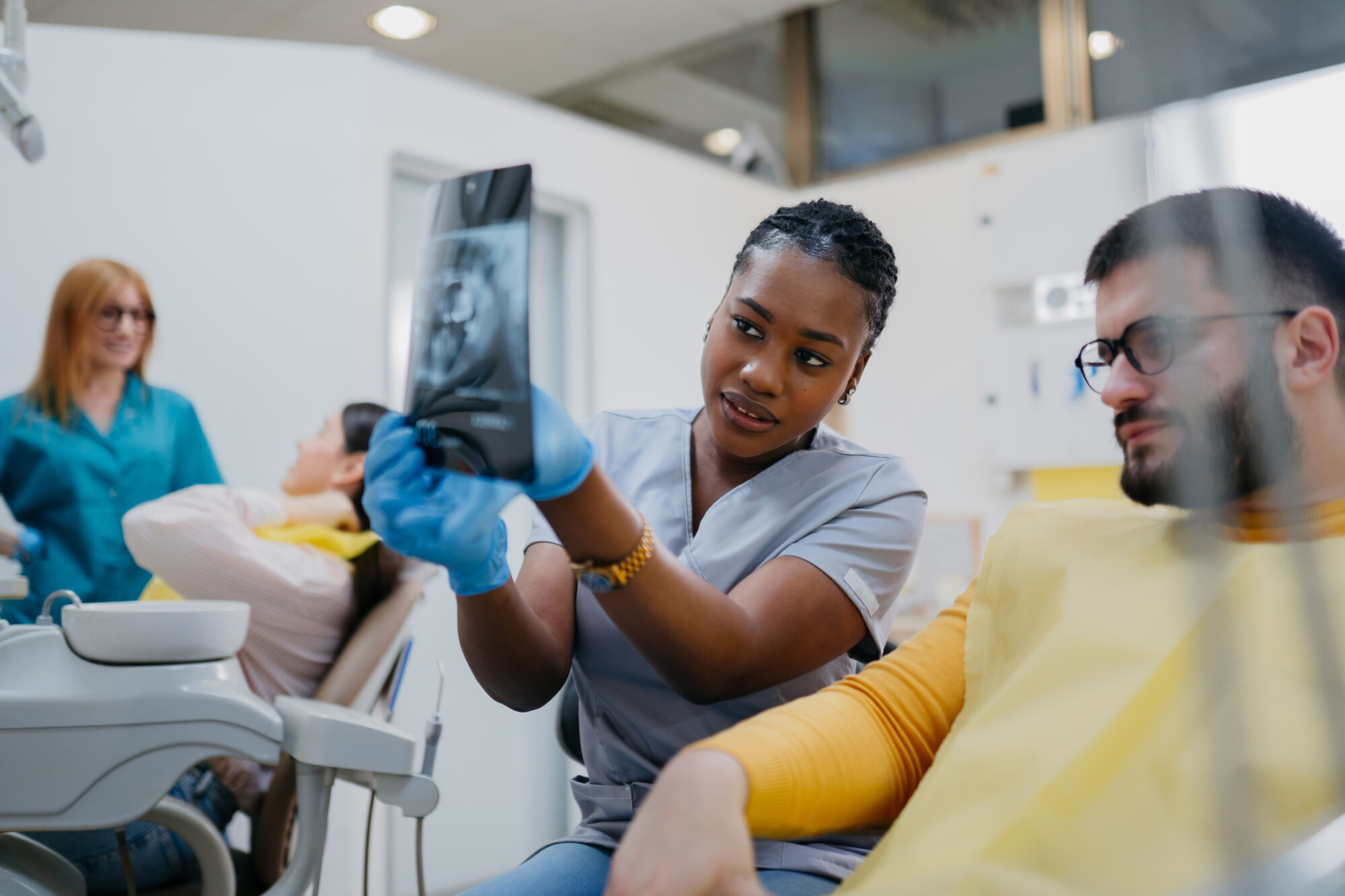
An orthodontist can assess your bite, evaluate jaw function, and recommend a personalized treatment plan if needed.
Final Thoughts
Bite problems are more than just a cosmetic concern—they can have a profound impact on jaw health, comfort, and overall quality of life. From joint strain and muscle fatigue to tooth wear and digestive challenges, the effects of an improper bite can be wide-ranging.
The good news is that modern orthodontics offers effective solutions to correct these issues and restore balance to your smile. By addressing bite problems early, you can protect not only your teeth but also the long-term health and function of your jaw.
If you’ve been experiencing symptoms or simply want to ensure your bite is functioning properly, consulting with an orthodontic professional is a smart and proactive step toward better oral health.