Many parents assume that orthodontic treatment doesn’t begin until the teenage years, so it’s easy to think an orthodontic evaluation can wait until all of a child’s permanent teeth have come in. While many children do get braces as teenagers, the first orthodontic visit should happen much earlier.
In fact, the American Association of Orthodontists recommends that children have their first orthodontic evaluation by age seven. This doesn’t mean every seven-year-old will need braces or other treatment right away. Instead, an early visit gives an orthodontist the opportunity to monitor your child’s growth, identify developing problems, and determine the ideal timing for treatment if it’s needed.
Early orthodontic evaluations can help prevent more complex dental issues, simplify future treatment, and provide parents with valuable peace of mind. Here’s why scheduling your child’s first orthodontic appointment before the teen years is one of the best investments you can make in their long-term oral health.
Why Age Seven Is an Important Milestone
By around age seven, most children have a mix of baby teeth and permanent teeth. This stage of development gives orthodontists a unique opportunity to evaluate how the jaws are growing and how the permanent teeth are beginning to emerge.
Even though many permanent teeth have not erupted yet, an orthodontist can often detect issues that may become more significant if left untreated. Problems with jaw growth, tooth spacing, bite alignment, and tooth eruption patterns are often easier to identify, and sometimes easier to correct, during childhood.
Waiting until all permanent teeth have erupted may allow certain orthodontic problems to worsen, making treatment more involved later.
Early Evaluations Don’t Always Mean Early Braces
One of the biggest misconceptions about early orthodontic visits is that every child will leave the office needing braces.
In reality, most children who have an evaluation at age seven won’t begin treatment immediately. Instead, the orthodontist may simply recommend periodic checkups to monitor growth and development over the next several years.
These observation appointments allow the orthodontist to determine the best time to begin treatment, which can often make braces or clear aligners more effective and efficient.
Think of an early orthodontic visit as a preventive checkup rather than a commitment to immediate treatment.

Problems That Can Be Detected Early
An orthodontist looks for much more than crooked teeth during an early evaluation. Several developmental issues can be identified before they become more difficult to treat.
Some common concerns include:
- Crowded teeth
- Excessive spacing between teeth
- Overbites
- Underbites
- Crossbites
- Open bites
- Jaw growth discrepancies
- Impacted or missing permanent teeth
- Teeth erupting in unusual positions
Because children’s jaws are still growing, some of these issues can be corrected more easily than they could be later in adolescence or adulthood.
Early Treatment Can Guide Jaw Growth
One of the biggest advantages of early orthodontic care is the ability to influence jaw development while a child is still growing.
If the upper and lower jaws are not developing properly, an orthodontist may recommend early treatment to encourage healthier growth patterns. Guiding jaw development during childhood can improve facial balance, create space for permanent teeth, and reduce the severity of bite problems.
Once jaw growth is complete during the late teen years, correcting skeletal issues often becomes much more challenging and may require more extensive treatment.
Creating Space for Permanent Teeth
Crowding is one of the most common orthodontic concerns among children.
When there isn’t enough room for permanent teeth, they may erupt crooked, overlap one another, or become trapped beneath the gums. Early orthodontic intervention can sometimes create additional space before severe crowding develops.
This proactive approach may reduce the complexity of future treatment and, in some cases, decrease the likelihood that permanent teeth will need to be removed for orthodontic reasons.
Correcting Harmful Oral Habits
Certain childhood habits can affect the development of the teeth and jaws if they continue for too long.
Examples include:
- Thumb sucking
- Prolonged pacifier use
- Tongue thrusting
- Mouth breathing
These habits can contribute to bite problems, jaw development issues, and misaligned teeth. During an early orthodontic evaluation, your orthodontist can identify changes caused by these habits and recommend appropriate strategies if intervention is needed.
Addressing these concerns while your child is still growing often leads to better long-term outcomes.
Monitoring Tooth Eruption
Every child develops differently, but there are expected patterns for when permanent teeth should erupt.
Sometimes permanent teeth become impacted, fail to erupt, or begin growing in abnormal positions. Early orthodontic evaluations allow these issues to be identified before they create more significant complications.
Monitoring tooth eruption also helps orthodontists coordinate care with your family dentist if additional treatment is necessary.
Improving Confidence at an Early Age
Orthodontic treatment isn’t only about improving oral health. It can also support a child’s self-confidence.
Children who are self-conscious about crowded teeth, large gaps, or noticeable bite problems may become reluctant to smile or participate confidently in social situations.
While appearance alone isn’t usually the reason for early treatment, correcting significant orthodontic issues can help children feel more comfortable with their smiles during important developmental years.
Making Future Treatment Easier
One of the greatest benefits of early orthodontic evaluations is that they help orthodontists determine the perfect timing for treatment.
Rather than waiting until problems become more severe, orthodontists can intervene when growth and tooth development create the best opportunity for success.
For some children, early treatment may shorten the amount of time they wear braces later. For others, it can simplify future treatment or prevent more complicated procedures altogether.
Even when early intervention isn’t necessary, having a customized monitoring plan ensures your child begins treatment at the most effective time.
What to Expect During the First Visit
Parents are often pleasantly surprised by how simple an initial orthodontic consultation is.
The first appointment typically includes:
- A review of your child’s dental and medical history
- An examination of the teeth, jaws, and bite
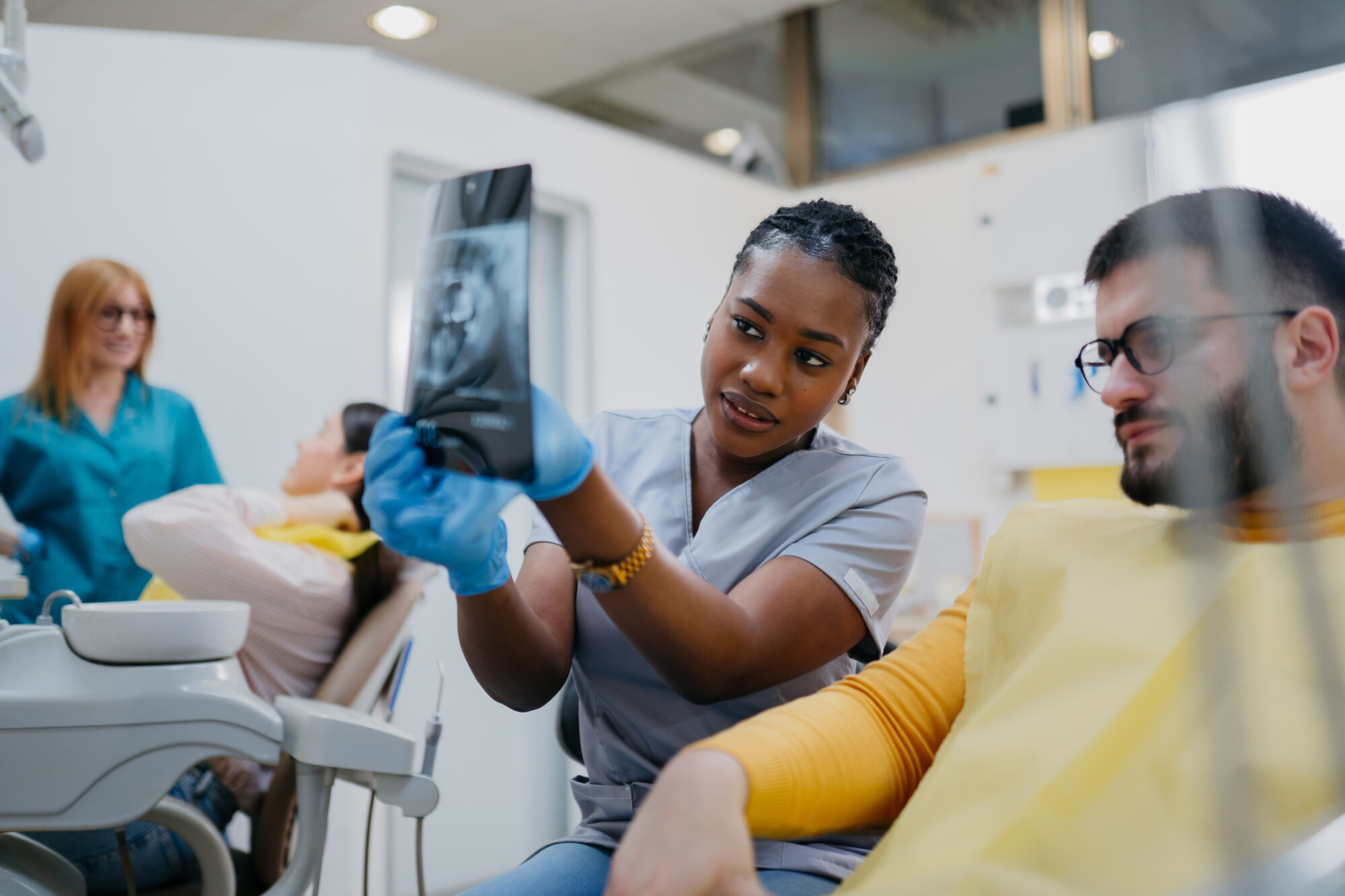
- Digital X-rays or photographs if needed
- A discussion about growth and tooth development
- Recommendations for observation or treatment
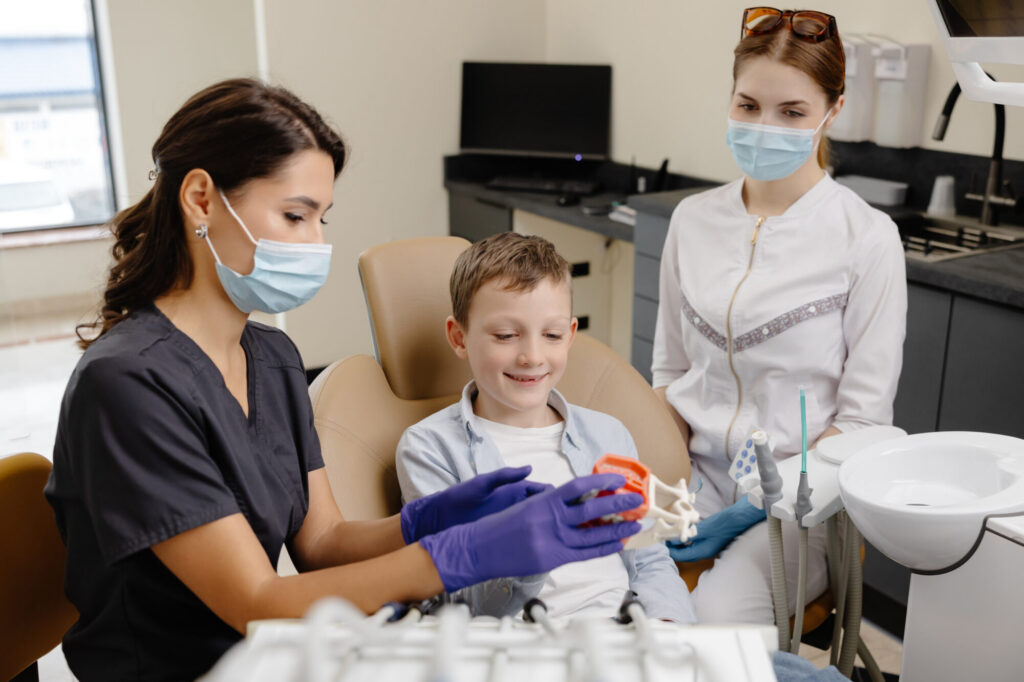
The visit is comfortable, educational, and designed to answer any questions you may have about your child’s oral development.
In many cases, the orthodontist will simply recommend returning for periodic growth evaluations until treatment becomes appropriate.

Signs Your Child Should See an Orthodontist Sooner
Although age seven is the general recommendation, some children may benefit from an earlier evaluation if they experience:
- Difficulty chewing or biting food
- Mouth breathing
- Frequent thumb sucking after age five
- Teeth that don’t come together properly
- Early or late loss of baby teeth
- Crowded or visibly crooked teeth
- Jaws that shift or make sounds
- Protruding front teeth
- Difficulty speaking clearly
If you notice any of these concerns, scheduling an orthodontic consultation can help determine whether treatment is appropriate.
Give Your Child the Best Start for a Healthy Smile
The teenage years may still be the right time for braces, but your child’s first orthodontic visit shouldn’t wait that long.
An early evaluation allows an orthodontist to monitor healthy growth, identify potential concerns before they become more serious, and recommend treatment only when it’s truly needed. Most children won’t require immediate braces, but having an expert evaluate their developing smile ensures they’re on the right path.
By scheduling an orthodontic consultation around age seven, you’re giving your child the opportunity for healthier teeth, a properly aligned bite, and the confidence that comes with a beautiful smile. Early orthodontic care is about planning ahead, and that planning can make a lifelong difference.