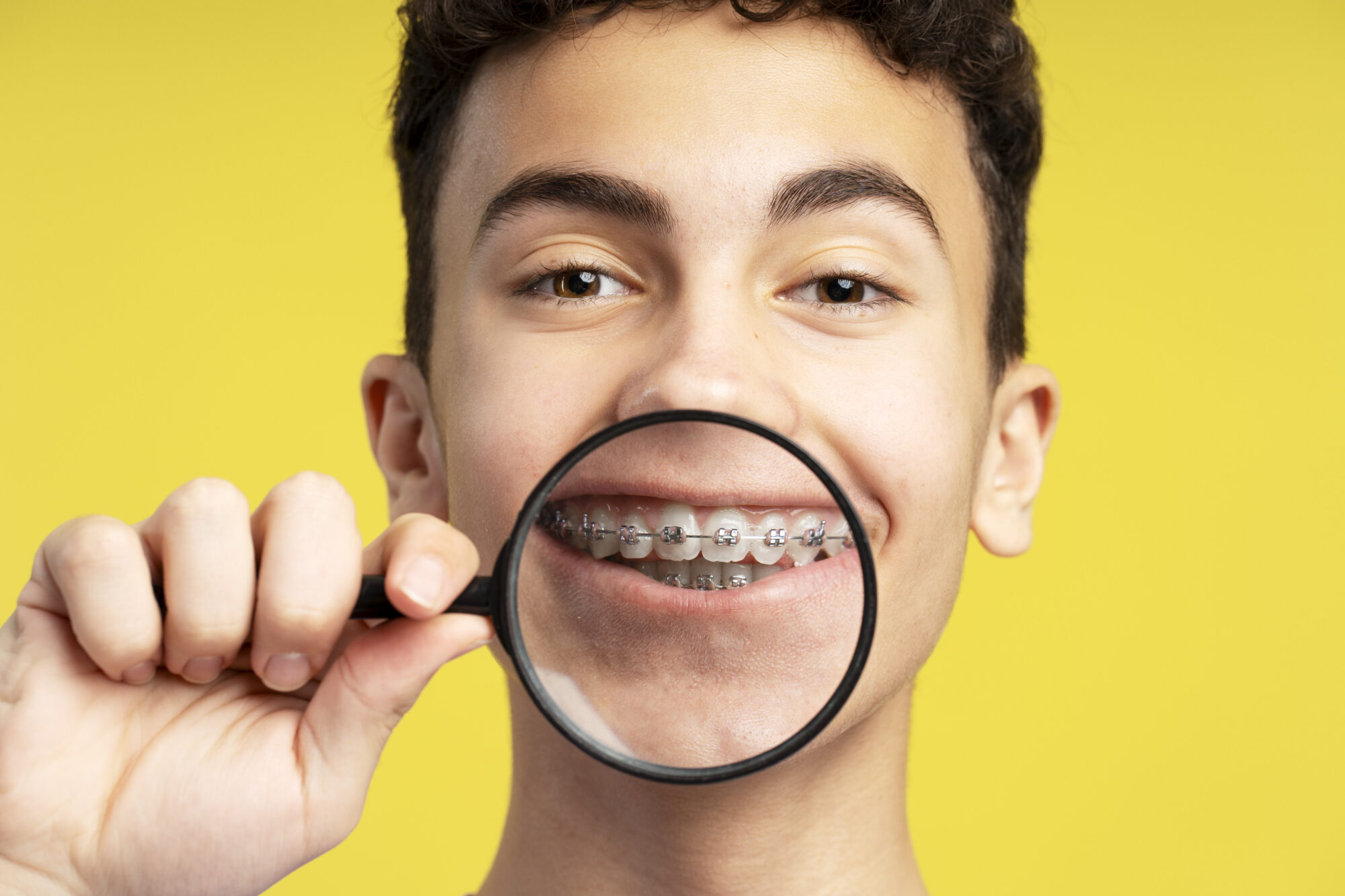
A healthy, confident smile can have a lasting impact on your appearance, oral health, and overall well-being. While many people associate braces with straightening crooked teeth, orthodontic treatment can also correct bite problems, improve oral hygiene, and prevent future dental complications. The challenge is knowing when it’s time to schedule an orthodontic evaluation.
Some orthodontic issues are easy to spot, while others are less obvious. Even if your teeth appear relatively straight, you could still have bite alignment problems that affect the way you chew, speak, or care for your teeth. Recognizing the early signs of orthodontic concerns can help you seek treatment before they become more complex.
Here are 10 common signs that you or your child may benefit from braces or another orthodontic treatment.
1. Crooked or Crowded Teeth
One of the most recognizable signs that braces may be needed is crooked or crowded teeth. When there isn’t enough space in the mouth for permanent teeth to erupt properly, they can overlap, rotate, or become misaligned.
Crowded teeth are more than a cosmetic concern. They create hard-to-reach areas where plaque and food particles can accumulate, making brushing and flossing less effective. Over time, this can increase the risk of cavities, gum disease, and bad breath.
Orthodontic treatment helps create proper spacing, making it easier to maintain excellent oral hygiene while improving the appearance of your smile.
2. Gaps Between Teeth
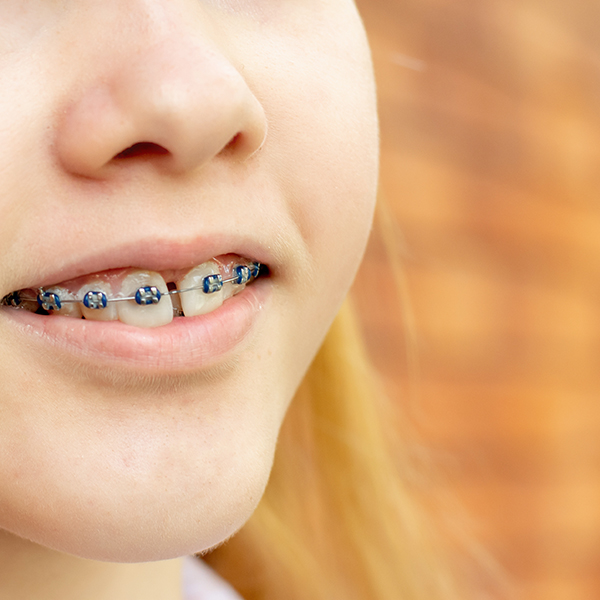
While some spacing between teeth is completely normal, unusually large gaps may indicate that orthodontic treatment could be beneficial. Gaps can develop due to genetics, missing teeth, or differences in jaw size.
In addition to affecting your smile’s appearance, excessive spacing can influence your bite and allow neighboring teeth to shift over time. Closing these spaces often improves both function and aesthetics.
3. Difficulty Biting or Chewing
If eating certain foods feels uncomfortable or you struggle to bite into sandwiches, apples, or pizza, your bite may not be properly aligned.
An uneven bite can place excessive pressure on certain teeth, causing uneven wear and making chewing less efficient. Correcting bite alignment allows your teeth to work together more effectively, improving comfort during meals.
4. Your Teeth Don’t Line Up Properly
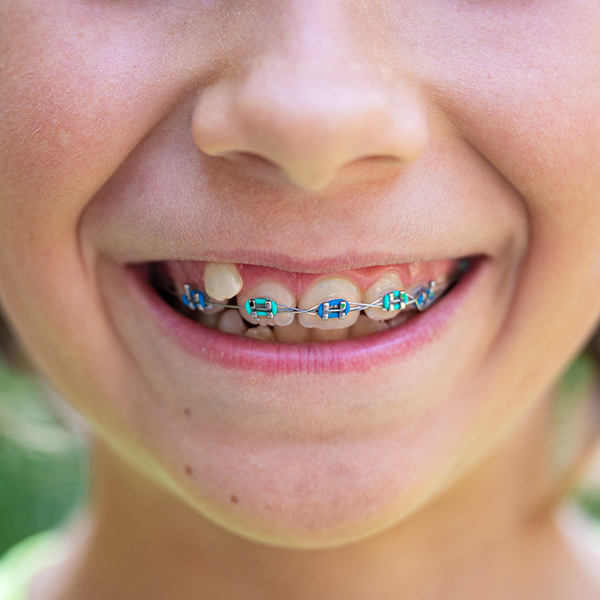
When you close your mouth, your upper and lower teeth should fit together comfortably. If they don’t, you may have a bite issue such as an overbite, underbite, crossbite, or open bite.
These conditions can contribute to:
- Excessive tooth wear
- Jaw discomfort
- Difficulty chewing
- Speech challenges
- Increased risk of chipped teeth
Braces and other orthodontic appliances are designed to gradually reposition both the teeth and bite for better long-term function.
5. Frequent Biting of Your Cheeks or Tongue
Do you accidentally bite the inside of your cheeks or tongue while eating or speaking?
This often happens when teeth are misaligned or the bite doesn’t fit together correctly. Although occasional cheek biting can happen to anyone, frequent injuries may indicate an underlying orthodontic problem.
Proper alignment can reduce these painful accidents and improve overall comfort.

6. Jaw Pain or Clicking
Persistent jaw discomfort isn’t always caused by orthodontic problems, but bite misalignment can contribute to stress on the jaw joints.
If you regularly experience:
- Jaw soreness
- Clicking or popping sounds
- Difficulty opening or closing your mouth
- Facial muscle fatigue
An orthodontic evaluation may help determine whether your bite is contributing to these symptoms.
Treating bite issues can sometimes reduce unnecessary strain on the jaw and improve comfort during everyday activities.
7. Speech Difficulties
The position of your teeth affects how your tongue forms certain sounds. Misaligned teeth or bite problems can sometimes contribute to speech challenges, including lisps or difficulty pronouncing specific words.
While speech issues can have many causes, orthodontic treatment may improve speech clarity when tooth alignment plays a role.
An orthodontist can work alongside your dentist or speech therapist to determine the most appropriate treatment approach.
8. You Breathe Primarily Through Your Mouth
Chronic mouth breathing can be associated with several medical conditions, but certain orthodontic issues may also contribute to the problem.
Improper jaw development or bite alignment can affect how the mouth functions during rest and sleep. Mouth breathing may increase the risk of dry mouth, bad breath, cavities, and gum disease because saliva plays an important role in protecting your teeth.
If you notice persistent mouth breathing, it’s worth discussing the issue with both your physician and orthodontist to determine the underlying cause.
9. Teeth Are Wearing Down Unevenly
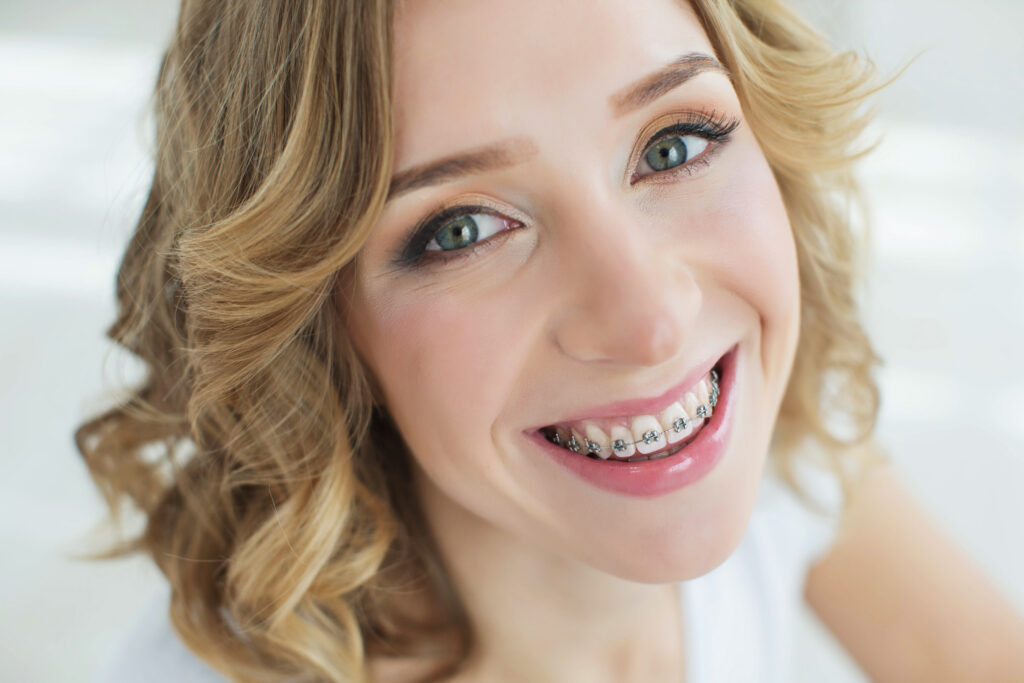
Healthy teeth naturally experience some wear over time. However, if certain teeth are wearing down much faster than others, an improper bite could be responsible.
Misaligned teeth may absorb excessive force every time you chew, gradually leading to:
- Chipped enamel
- Cracked teeth
- Tooth sensitivity
- Premature wear
Correcting the bite helps distribute chewing forces more evenly, protecting your teeth for years to come.
10. Your Child Lost Baby Teeth Very Early or Very Late
Children’s mouths develop at different rates, but unusually early or delayed loss of baby teeth can sometimes affect how permanent teeth erupt.
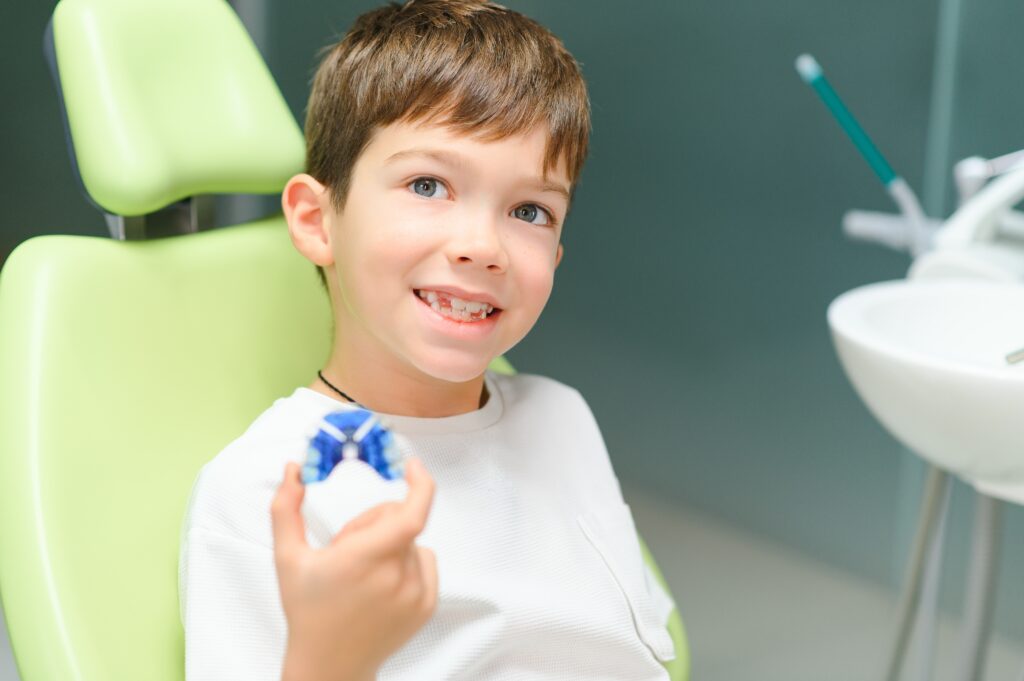
For this reason, many orthodontists recommend that children receive their first orthodontic evaluation around age seven. Early assessments don’t necessarily mean treatment will begin immediately. Instead, they allow orthodontists to monitor growth, identify developing concerns, and intervene at the ideal time if necessary.
Early detection often leads to simpler treatment and may reduce the need for more extensive procedures later.
Why Early Evaluation Matters
Many orthodontic problems become easier to treat when identified early. Even adults who have lived with crooked teeth or bite problems for years can benefit from modern orthodontic treatment, but recognizing issues sooner often provides more treatment options.
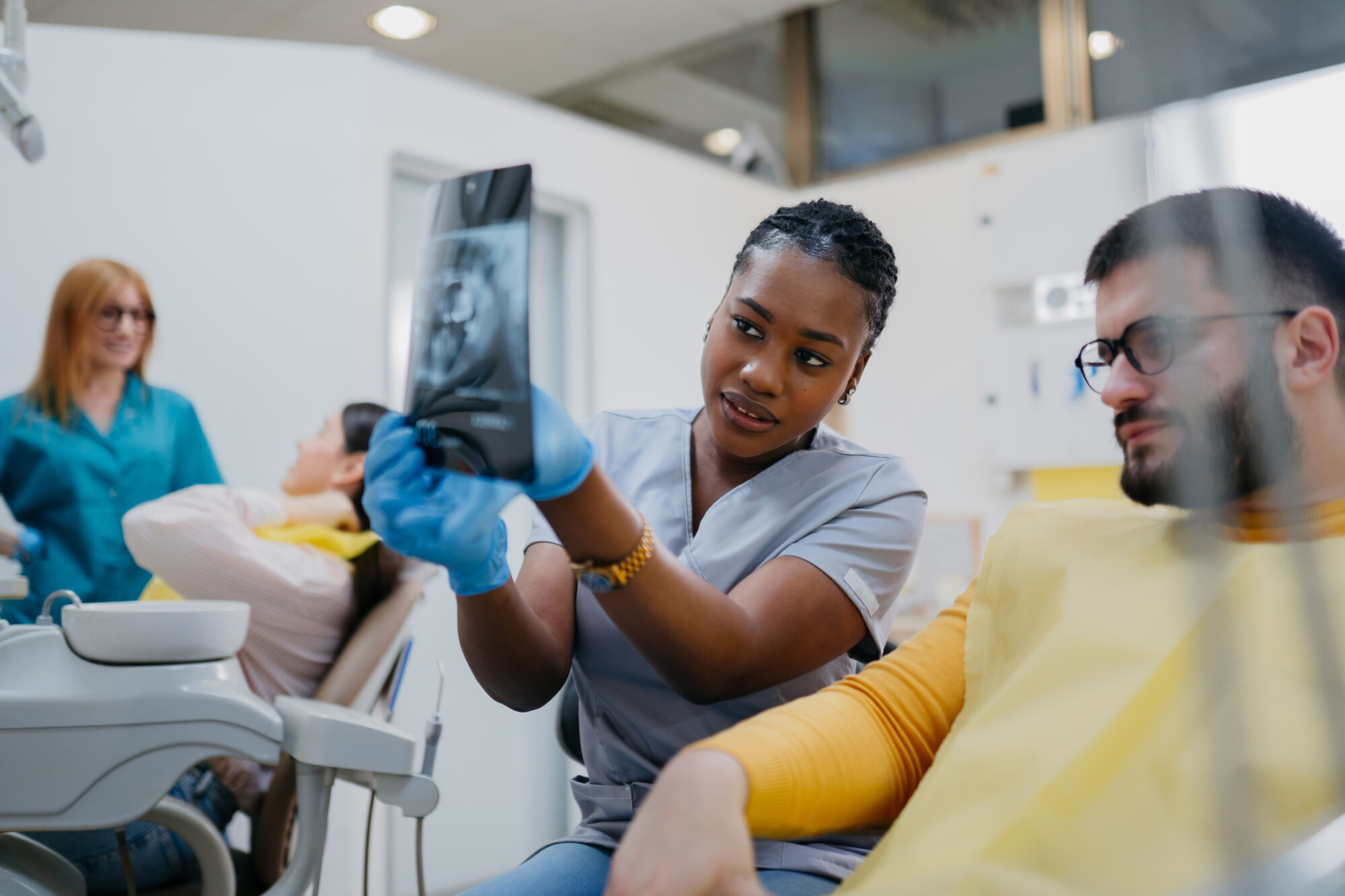
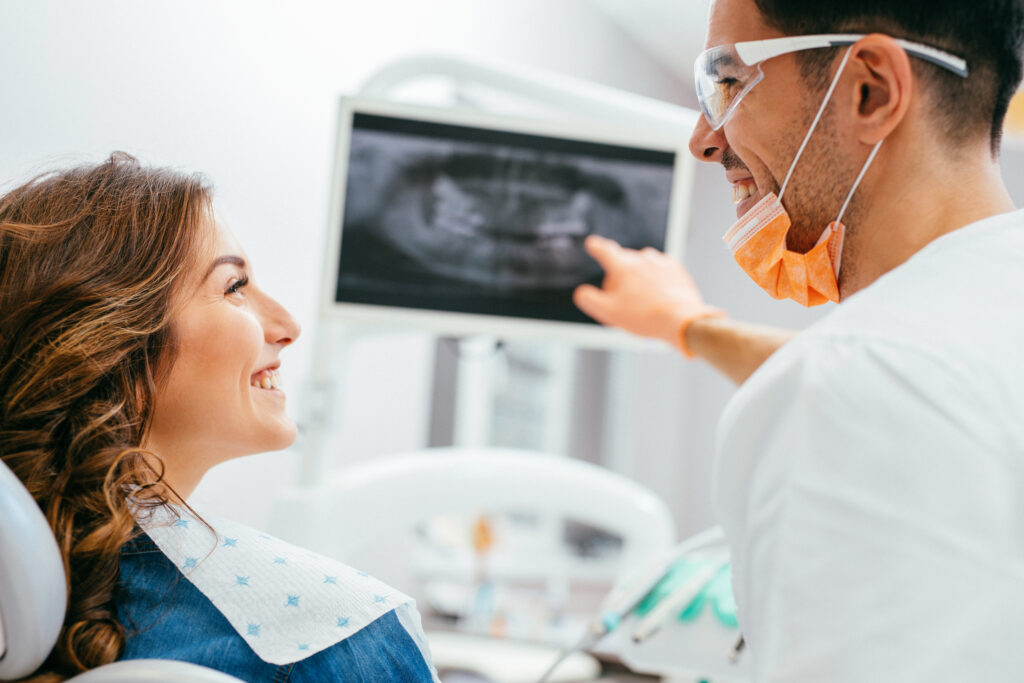
An orthodontic consultation includes a comprehensive examination, digital imaging when appropriate, and a personalized discussion of your treatment options. Depending on your needs, recommendations may include traditional braces, clear aligners, retainers, or simply periodic observation.
Not every patient who visits an orthodontist will need braces immediately, but having an expert evaluate your smile provides valuable peace of mind.
Don’t Ignore the Signs
Orthodontic treatment is about much more than creating a beautiful smile. Properly aligned teeth are easier to clean, function more efficiently, and can contribute to better long-term oral health.
If you’ve noticed one or more of these signs in yourself or your child, scheduling an orthodontic evaluation is an excellent next step. A professional assessment can determine whether treatment is needed and help you understand your options.
Whether your goal is improving your smile, correcting your bite, or preventing future dental problems, today’s orthodontic treatments are more comfortable, discreet, and effective than ever before. Taking action now can help you enjoy a healthier smile and greater confidence for years to come.