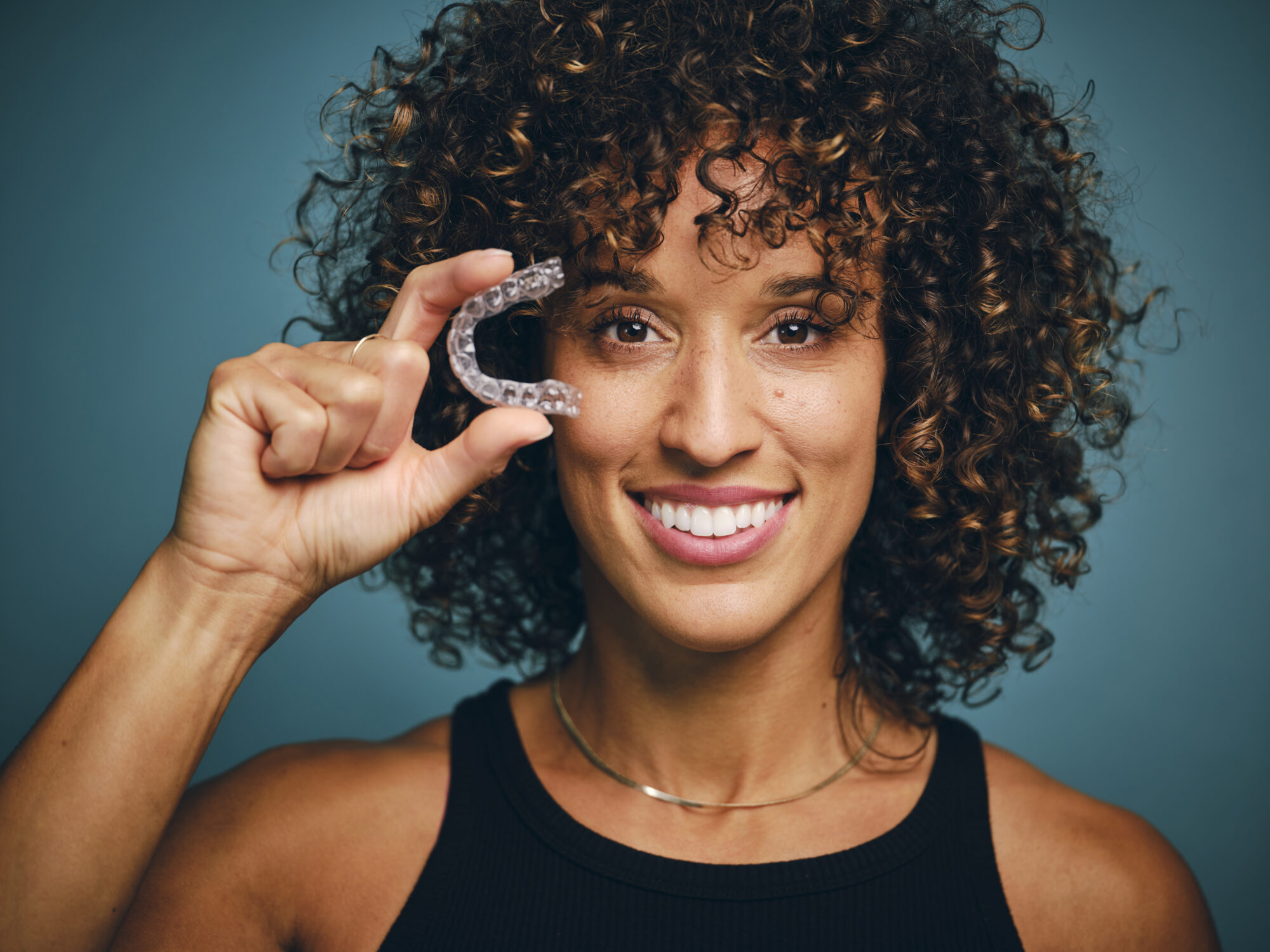

The day your braces come off is a huge win. Your teeth are straight, your bite feels different, and that new smile is finally yours. But here’s the reality nobody warns you about: life after braces takes consistent effort starting the moment active treatment ends. Without steady retention, teeth naturally drift back toward their old positions, undoing months (or years) of hard work.
At Noble Orthodontics, Dr. Jeff Berndt and Dr. Tate Jackson walk every patient through what comes next, so your new smile stays that way for decades.

What Is the Retention Phase (and Why It Matters)
Retention is the post-active phase of orthodontic care, when your teeth are stabilized in their new positions using retainers. While your teeth look straight the day braces come off, the bone, gums, and ligaments holding them in place need months to adapt and firm up around the new alignment.
Think of retention as the second half of your smile transformation. Without it, teeth tend to shift back toward where they started. This natural drift is called orthodontic relapse, and it can happen fast in those first few months.
Retention is just as important as the active treatment itself. At Noble Orthodontics, we make sure every patient leaves with a clear plan and the right retainer for their lifestyle. The commitment is lifelong, but the daily effort is small. A few minutes of wear each night protects every visit, every adjustment, and every careful tooth movement that gave you this new smile.
How Your Long-Term Plan Works
A solid retention plan shifts gradually as your bone and tissue settle. Here’s a general timeline Dr. Jeff and Dr. Tate use with patients, adjusted based on your individual case.
- Year 1: Full-time or near full-time wear (often 20 to 22 hours daily) as the bone remodels around your newly aligned teeth. This is the most critical stretch.
- Years 2 to 5: Transition to nightly wear, with periodic check-ins to confirm fit and stability.
- Years 5 and beyond: Lifetime nighttime wear, or several nights per week for most people. Teeth continue to shift subtly with age, and retainers prevent that drift.
The Fit Test
If your retainer feels tight when you put it in, that’s a signal. Your teeth have started shifting, even slightly. Wear it more frequently until it feels snug but not forced. If it won’t seat properly at all, call us right away.
Follow-Up Visits and Replacements
Retainers wear out. They crack, warp, and sometimes get lost in a napkin at lunch. Our Retainer Subscription Program at Noble Orthodontics makes replacements predictable and budget-friendly, so a lost retainer never derails your smile. You get fresh sets on a regular schedule, which means your fit stays accurate and your teeth stay put.
If Your Teeth Have Already Shifted
It happens. People stop wearing their retainers, life gets busy, and years later they notice crowding returning. Dr. Jeff and Dr. Tate can evaluate the shift and discuss retreatment options, often with Invisalign, to get your smile back on track.
Benefits of Sticking to Your Retention Plan
Consistent retainer wear pays off in ways you might not expect. Here’s what you’re protecting when you stay committed:
- Your smile transformation was a real investment of time, money, and energy. Retention protects every bit of it.
- Prevents gradual shifting. Chewing forces, aging, and continued jaw growth constantly push teeth in subtle ways. Retainers counteract that pressure.
- Catching and preventing relapse is far simpler (and more budget-friendly) than redoing a smile transformation later in life.
- Supports a healthier bite. Properly aligned teeth distribute chewing forces evenly, which protects your jaw joints and reduces wear on enamel.
- Makes cleaning easier. Straight teeth are simpler to brush and floss, which lowers your risk of cavities and gum issues down the road.
- Confidence counts. Your smile is part of how you show up in the world, and keeping it aligned keeps you feeling good about it.
- Catches small shifts early. Regular retention check-ins at Noble Orthodontics let Dr. Jeff and Dr. Tate spot minor changes before they become major concerns.
The habit is small. The payoff lasts a lifetime.
Comparing Retainer Types: Hawley vs. Clear vs. Bonded
Not all retainers are the same. Each type has strengths, trade-offs, and ideal use cases. Dr. Jeff and Dr. Tate will recommend the right option based on your relapse risk, lifestyle, and preferences.
| Feature | Hawley | Clear (Essix/Vivera) | Bonded (Fixed) |
|---|---|---|---|
| Visibility | Visible wire across front teeth | Nearly invisible | Hidden behind teeth |
| Durability | Very durable, long lifespan | Less durable, prone to cracking | Durable but wire can break |
| Adjustability | Can be adjusted by your orthodontist | Not adjustable | Not adjustable |
| Compliance Required | Yes, removable | Yes, removable | No, always in place |
| Cleaning Ease | Easy to clean | Easy to clean | Harder to floss around |
| Typical Lifespan | Many years with care | 1 to 3 years per set | Several years if intact |
Which One Is Right for You?
Hawley retainers work well for patients who want something built to last and don’t mind a visible wire. They can also be adjusted over time if minor tweaks are needed.
Clear retainers (including Vivera) are the most popular choice for adults and teens who want something discreet. They fit snugly and are easy to wear overnight.
Bonded retainers are a good option for patients with high relapse risk, especially on the lower front teeth. Because they’re always in place, there’s no compliance worry, though flossing takes a little extra effort.
Many patients end up with a combination, like a bonded lower retainer paired with a clear upper. The goal is always the right fit for your smile.
Cost Factors for Long-Term Retention
Initial retainers are typically included with your metal braces, clear braces, or Invisalign treatment at Noble Orthodontics. The long-term cost comes from replacements, and that varies based on the type you choose and how well you care for them.
Clear retainers are generally the most budget-friendly to replace, while bonded retainers require in-office work if the wire breaks or detaches. Our Retainer Subscription Program bundles replacements into a predictable annual cost, which spreads the expense and keeps you from paying full price every time a retainer gets lost or cracked.
Here’s the bigger picture: a lost retainer that isn’t replaced quickly leads to shifting, and shifting leads to retreatment. Retreatment for orthodontic relapse costs significantly more than years of consistent retainer wear. Staying on top of retention is the most budget-friendly way to protect your smile long-term.
Who Needs Extra Attention During Retention
Some patients need closer monitoring during the retention phase. If any of these apply to you, talk with Dr. Jeff or Dr. Tate about a customized plan:
- Patients with severe pre-treatment crowding or rotations. Teeth that moved the most tend to want to return the most. Higher relapse risk means more diligent wear.
- Teens and young adults. Late jaw growth and wisdom tooth eruption can shift teeth well into the 20s.
- Adults during hormonal shifts. Pregnancy, menopause, and other hormonal changes can loosen the ligaments around teeth, making them more mobile.
- Grinders and clenchers. If you grind your teeth at night, you may benefit from a thicker, nightguard-style retainer that protects enamel while holding alignment.
- Anyone who stopped wearing a retainer years ago. If you’re noticing shifting now, come in for an evaluation. We can often get things back on track before major retreatment is needed.
Retention isn’t one-size-fits-all. Your plan should reflect your biology, your habits, and your goals.

Frequently Asked Questions About Life After Braces
How long do I have to wear my retainer after braces?
Plan on wearing your retainer for life, though the schedule changes over time. The first year typically requires near full-time wear, then transitions to nightly wear for several years, and eventually settles into nighttime or several-nights-per-week wear indefinitely. Dr. Jeff and Dr. Tate at Noble Orthodontics will customize your schedule based on how your teeth respond.
What happens if I stop wearing my retainer?
Your teeth will start to shift, often within weeks or months of stopping. The change may be subtle at first, but over time it can undo your entire smile transformation. If you’ve stopped and noticed movement, don’t wait. Come in for an evaluation so we can assess the shift and discuss your options.
How do I clean my retainer properly?
Rinse your retainer every time you take it out, and brush it gently with a soft toothbrush and mild soap (not toothpaste, which can scratch). For a deeper clean, soak it in a retainer cleaner or a mix of water and baking soda a few times a week. Avoid hot water, which can warp the plastic.
Can I get a new retainer years after my braces came off?
Yes. If your teeth haven’t shifted much, we can scan or impression your current alignment and make a new retainer to hold things in place. If shifting has already occurred, Dr. Jeff and Dr. Tate will evaluate whether a simple new retainer will work or if a short round of Invisalign is needed first.
Why does my retainer feel tight when I put it back in?
A tight retainer means your teeth have shifted slightly. Wear it more frequently (ideally overnight and a few extra hours during the day) until the snug feeling goes away. If it won’t seat at all or causes discomfort, contact Noble Orthodontics so we can take a look.
Do I need to wear a retainer forever?
In short, yes. Teeth continue to move throughout life due to aging, bite forces, and other natural factors. Wearing your retainer at night (or several nights a week long-term) is the simplest way to keep your smile straight for decades. The small daily habit is well worth a lifetime of healthy smiles.
Your smile makes us smile, and we want to help you keep it that way for life. If you’re ready to build a long-term retention plan, replace a lost retainer, or address teeth that have started shifting, Dr. Jeff Berndt and Dr. Tate Jackson are here to help at our Carrboro orthodontic office. Schedule your free consult today, and let’s keep your smile looking its best for years to come.