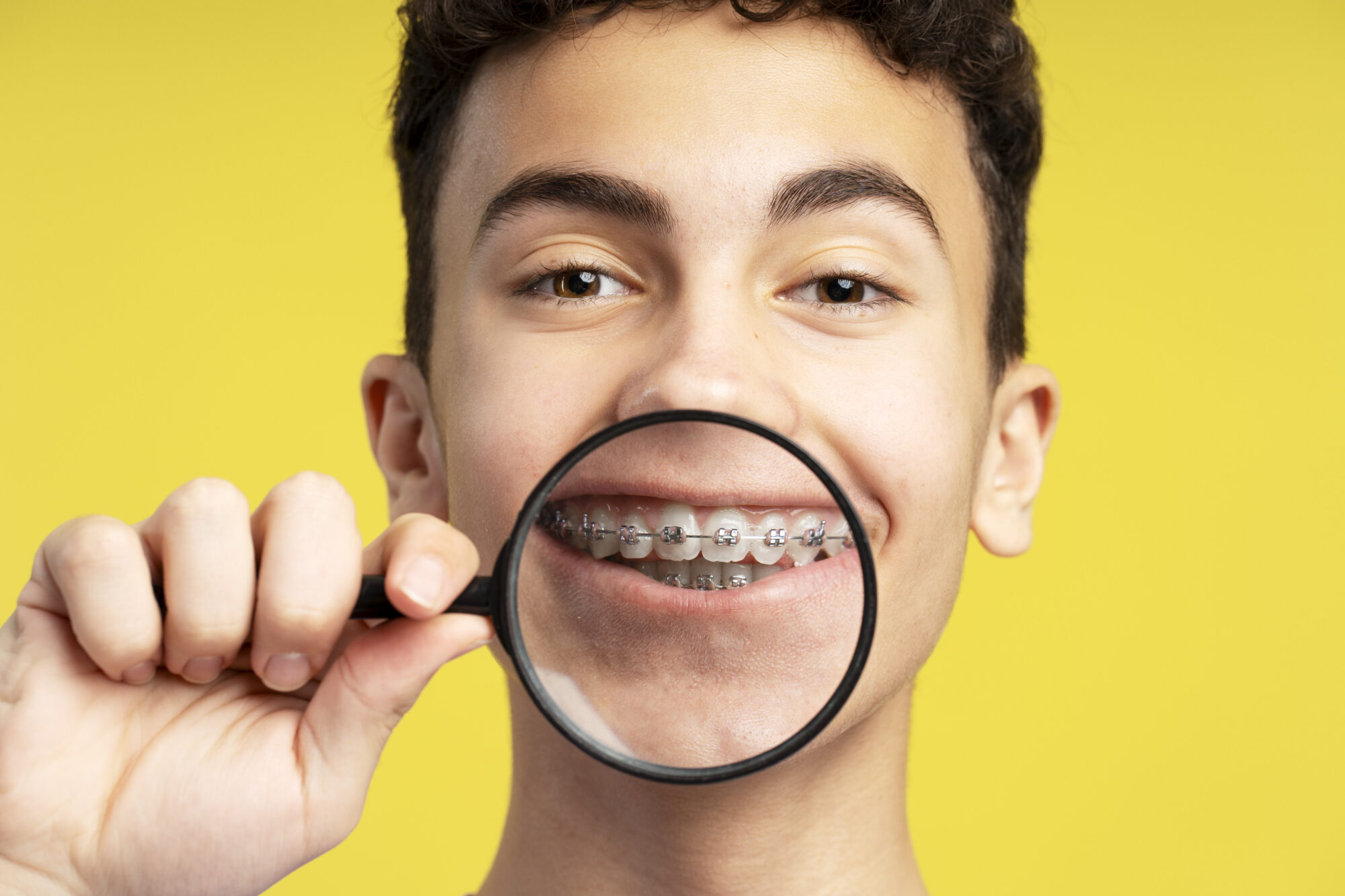



When patients hear the term comprehensive orthodontic care, it’s easy to assume it simply means full braces or a complete Invisalign treatment. But in reality, comprehensive orthodontic care goes far beyond straightening teeth. It represents a philosophy of treatment—one that considers the entire facial system, including the jaws, bite, airway, and long-term stability of the results.
Understanding what comprehensive orthodontic care truly means can help patients make more informed decisions, feel confident in their treatment plan, and appreciate the value of a customized approach to their smile and overall health.
More Than Straight Teeth
While straight teeth are an important outcome of orthodontic treatment, they are not the only goal. Teeth that look aligned but do not function well together can still lead to problems such as uneven wear, jaw discomfort, gum issues, or relapse after treatment.
Comprehensive orthodontic care focuses on:
- Proper bite alignment (how the teeth fit together)
- Balanced jaw relationships
- Facial harmony and symmetry
- Healthy function during chewing, speaking, and breathing
- Long-term stability of results
In other words, it’s not just about how your smile looks—it’s about how it works.
A Thorough Diagnostic Process
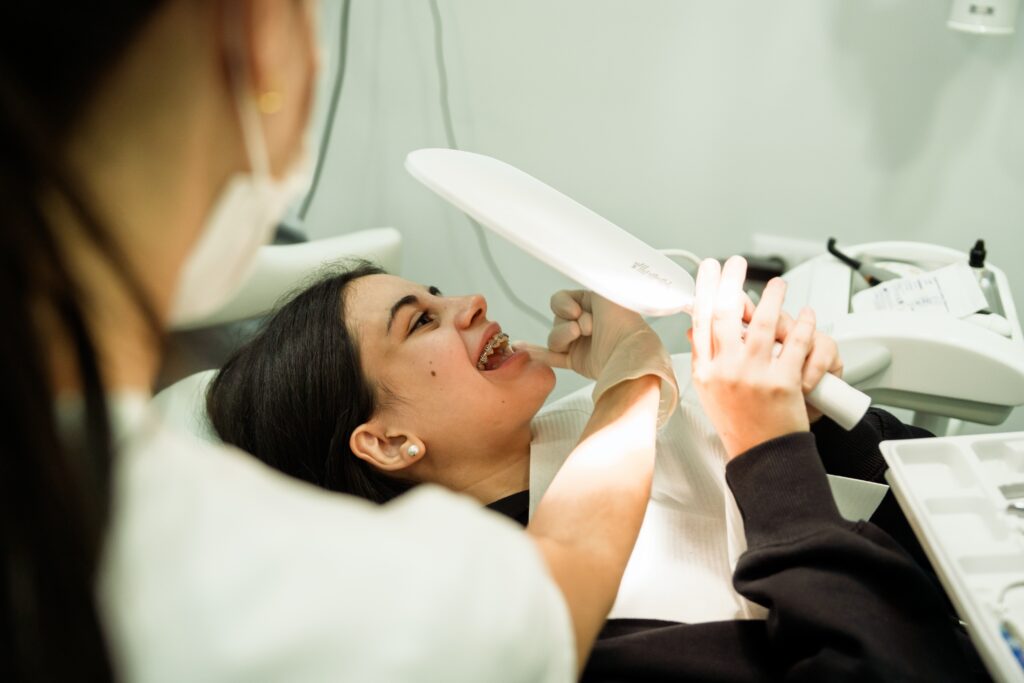
Comprehensive care begins with a detailed evaluation. This includes much more than a quick look at the teeth.
Orthodontists practicing comprehensive care typically evaluate:
- Facial proportions and growth patterns
- Jaw position and bite relationship
- Dental crowding and spacing
- Arch width and shape
- Tooth eruption patterns
- Airway space and breathing habits
- Oral habits such as mouth breathing or thumb sucking
Records may include digital scans, X-rays, photographs, and sometimes growth or airway assessments. These tools allow the orthodontist to understand the full picture before designing a treatment plan.
Individualized Treatment Planning
No two patients are exactly alike, which is why comprehensive orthodontic care is never one-size-fits-all. Treatment planning is customized based on each patient’s age, growth status, anatomy, concerns, and long-term needs.
A comprehensive plan may involve:
- Timing treatment to take advantage of growth in children and adolescents
- Using expansion appliances to guide jaw development
- Coordinating upper and lower arches for proper bite alignment
- Choosing between braces, aligners, or a combination of appliances
- Planning retention carefully to maintain results
This individualized approach helps ensure that treatment addresses both current issues and future stability.
The Role of Growth and Development
In younger patients, comprehensive orthodontic care places a strong emphasis on growth and development. The jaws, airway, and facial structures are still forming, which creates an opportunity to guide development in a healthy direction.
Early or interceptive orthodontic treatment may help:
- Reduce crowding before all permanent teeth erupt
- Correct jaw discrepancies early
- Improve arch width and space for teeth
- Support healthy breathing and function
Not every child needs early treatment, but a comprehensive evaluation allows orthodontists to determine if and when intervention is beneficial.
Bite Function and Long-Term Health
A key element of comprehensive care is ensuring that the bite functions properly. A healthy bite distributes forces evenly across the teeth and jaws, reducing strain on muscles and joints.
When bite issues are left untreated, they may contribute to:
- Excessive tooth wear
- Chipping or fractures
- Gum recession
- Jaw discomfort or fatigue
- Difficulty chewing
By addressing these issues during orthodontic treatment, comprehensive care helps protect the smile long after braces or aligners are removed.
Airway Awareness in Modern Orthodontics
One of the most important advancements in orthodontics is the growing awareness of airway health. The size and position of the jaws, especially the upper jaw, can influence nasal airflow and tongue posture.
Comprehensive orthodontic care often includes:
- Screening for mouth breathing or snoring
- Evaluating arch width and palatal shape
- Considering how treatment choices affect the airway space
While orthodontists do not diagnose sleep disorders, they play a key role in identifying risk factors and working alongside other healthcare providers when airway concerns arise.
Collaboration With Other Dental and Medical Providers
True comprehensive care often involves collaboration. Orthodontists may work closely with:
- General dentists
- Pediatric dentists
- Oral surgeons
- ENT specialists
- Sleep medicine providers
This team-based approach ensures that orthodontic treatment fits seamlessly into a patient’s overall healthcare plan, especially in more complex cases.
Retention: An Essential Part of Comprehensive Care
Orthodontic treatment doesn’t end the day braces come off or aligner treatment is completed. Retention is a critical phase that protects the time and investment made during treatment.
Comprehensive care includes:
- A personalized retention plan
- Education on proper retainer wear
- Monitoring for changes over time
Without proper retention, even well-executed orthodontic treatment can relapse. Long-term success depends on thoughtful follow-up and patient commitment.
Why Comprehensive Care Matters to Patients
Patients often assume that all orthodontic treatment is the same, but the philosophy behind the care makes a significant difference. Comprehensive orthodontic care prioritizes:
- Long-term results, not quick fixes
- Function as well as aesthetics
- Prevention of future problems
- Whole-face and whole-health considerations
This approach may require more planning and expertise, but it often leads to more stable, comfortable, and satisfying outcomes.
An Investment in Lifelong Health
Orthodontic treatment is an investment—not just in a smile, but in overall oral health and function. Comprehensive orthodontic care ensures that this investment pays off for years to come.
By focusing on diagnosis, customization, function, and stability, comprehensive orthodontics supports:
- Confident smiles
- Healthy bites
- Improved quality of life
When patients understand what comprehensive care truly means, they can feel confident knowing their treatment is designed with their long-term well-being in mind—not just the final photo.