
Choosing between Invisalign for your teen or yourself can feel like a big decision. The good news? Both age groups benefit from the same proven clear aligner technology, just with a few important differences in approach, product features, and clinical considerations. Understanding how Invisalign for teens vs. adults differs helps you make the right call for your smile or your child’s.

What Is Invisalign and How It Serves Both Teens and Adults
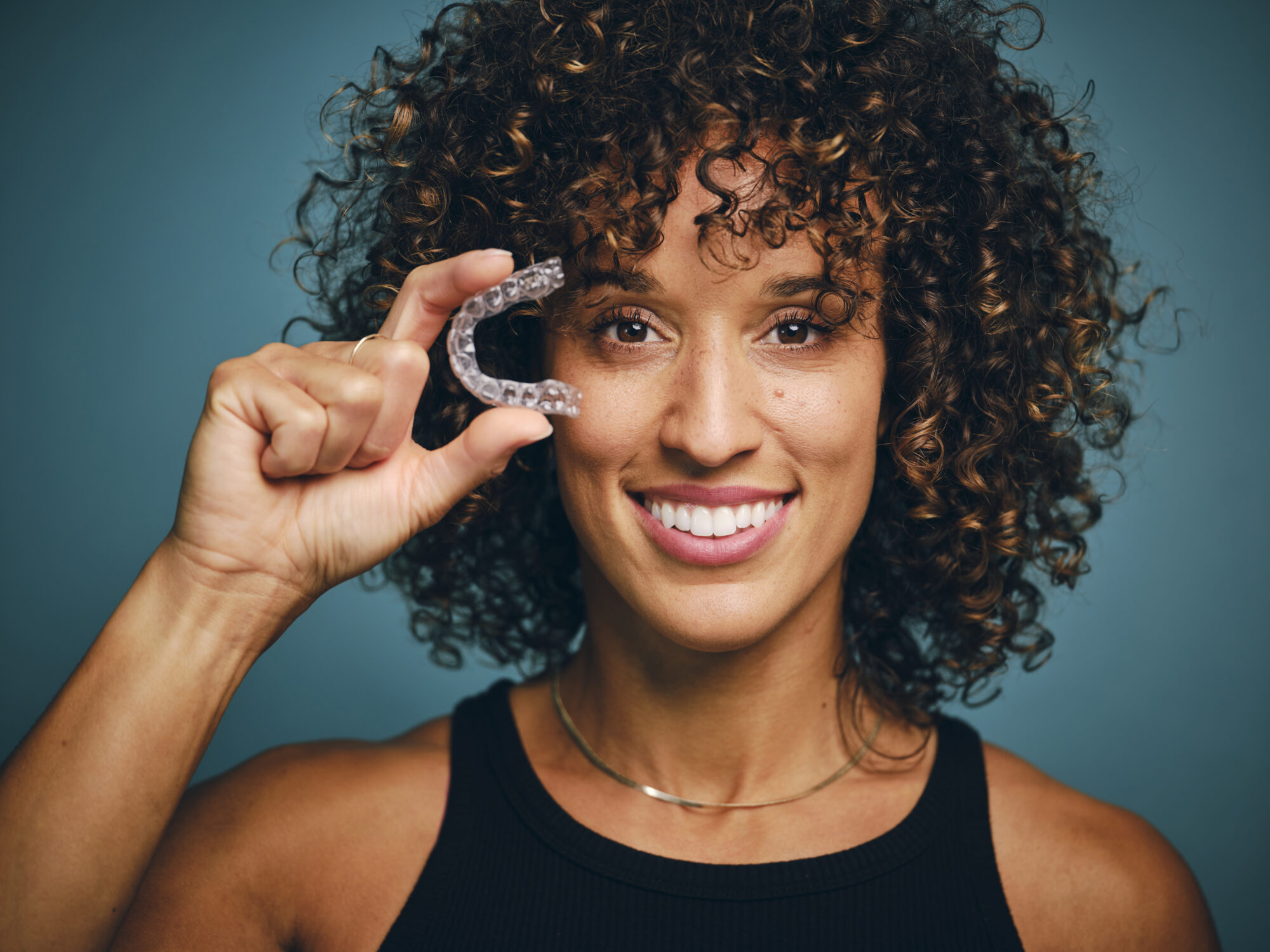
Before comparing teen and adult treatment, it helps to understand the product itself. Invisalign is a series of custom-made clear aligners worn 20 to 22 hours per day that gradually shift teeth into their ideal position. The system includes three tiers: Invisalign First for younger kids, Invisalign Teen, and standard Invisalign for adults.
More than 6.5 million teens have been treated with Invisalign worldwide, and adults are now the fastest-growing group seeking orthodontic care. The core SmartTrack material and digital planning are the same across tiers. What changes is the clinical approach, feature set, and how Dr. Jeff Berndt and Dr. Tate Jackson tailor the plan to each patient’s age, lifestyle, and goals.
At Noble Orthodontics, we treat smiles of all sizes with Invisalign in our Carrboro office. As a platinum provider in the top 1% of Invisalign providers, our team has guided thousands of our amazing patients, teens and adults alike, through clear aligner treatment with the same compassionate, patient-centered care.
How Invisalign Treatment Works: The Shared Process
Teen or adult, the process looks the same. Here’s what to expect from start to finish:
- Free consult and exam. Dr. Jeff or Dr. Tate evaluates your bite, discusses your goals, and confirms Invisalign is a good fit.
- Digital scan and planning. A quick 3D intraoral scan replaces messy impressions. X-rays and photos complete the records, and your doctor designs a custom digital treatment plan showing the step-by-step movement of your teeth.
- Aligner delivery. Your custom SmartTrack aligners arrive at our Carrboro orthodontic office. You’ll typically switch to a fresh set every 1 to 2 weeks.
- Attachments placed. Small tooth-colored bumps are bonded to certain teeth to help the aligners grip and guide specific movements like rotations or extrusions.
- Check-in visits. You’ll come in every 6 to 10 weeks for progress checks, which is roughly 30% fewer visits than metal braces require.
- Retention phase. Once active treatment wraps up, retainers keep your new smile in place. Skipping retention is the number one cause of relapse later in life.
The technology doesn’t change by age. What shifts is how we coach compliance, how we use (or don’t use) growth, and which product features your plan includes.
Key Benefits of Invisalign for Teens vs. Adults
Clear aligners offer different advantages depending on your stage of life. Here’s how the perks stack up for teens, adults, and both.
Benefits for Teens
- Discreet for school and photos. Teens often feel self-conscious about brackets and wires. Clear aligners barely show up in yearbook shots or selfies.
- Fits sports and instruments. No brackets to catch a soccer ball or dig into a trumpet mouthpiece. Just pop the trays out when needed.
- Built-in compliance indicators. Invisalign Teen aligners include blue wear indicators that fade with proper use, making it easier for parents and Dr. Jeff or Dr. Tate to track progress.
- Extra replacement aligners. The Teen package includes up to six free replacement aligners in case of loss or breakage. It happens.
- Growth works in their favor. Still-developing jaws can respond faster to certain bite corrections, which can shorten overall treatment time.
Benefits for Adults
- Near-invisible in professional settings. Whether you’re in meetings, giving presentations, or on video calls, most people won’t notice your aligners.
- High compliance equals predictable results. Adults tend to wear their trays as directed, which keeps treatment on schedule.
- Ideal for relapse cases. Many adults who had braces as kids but didn’t wear their retainers find Invisalign a comfortable way to correct the shift.
- Easier for busy schedules. Fewer visits and no emergency bracket repairs mean less disruption to work and family life.
Shared Benefits for Both
- Eat what you love. Pop the trays out, enjoy your meal, and put them back in. No food restrictions.
- Want simpler hygiene? Brushing and flossing stay easy with no wires to thread around.
- Fewer office visits compared to metal braces.
- Better oral hygiene throughout treatment, with less plaque buildup and reduced gum irritation compared to fixed appliances.
- Confidence while you straighten. Clear trays blend in so you can smile without a second thought.
Teen vs. Adult Invisalign: Side-by-Side Comparison
Here’s a quick look at how clear aligner treatment differs between teens and adults.
| Factor | Teens | Adults |
|---|---|---|
| Compliance | May need reminders; wear indicators help | Typically self-motivated and consistent |
| Growth factor | Jaw development can speed up bite correction | Fixed skeletal structure; movement is dental only |
| Average treatment time | Around 18 months for typical cases | Varies widely based on complexity |
| Aligner count | Extras included for loss or breakage | Standard count; replacements may cost extra |
| Product tier | Invisalign Teen with compliance indicators and eruption tabs | Standard Invisalign |
| Common motivators | Confidence, social photos, no braces look | Career appearance, relapse correction, long-overdue smile goals |
| Retainer habits | Needs parental support to build the habit | Often more disciplined with retention |
| Insurance coverage | More likely to have orthodontic benefits | May face age cutoffs on dental plans |
Both age groups can treat the same bite issues. The strategy just shifts based on biology and behavior.
Cost, Insurance, and Payment Factors by Age
Invisalign cost for teens and adults is generally comparable, since the technology and clinical time required are similar. The real difference often comes down to insurance coverage. Many dental plans include orthodontic benefits, but a lot of plans include age cutoffs, typically ending coverage at age 19 or 26. That means adults often pay more of the balance than teens with the same treatment.
Here’s how to make the numbers work:
- Check your orthodontic benefit. Call your insurance provider and ask specifically about adult orthodontic coverage and age limits.
- Use HSA or FSA funds. Both teens and adults can apply pre-tax dollars from Health Savings Accounts or Flexible Spending Accounts toward Invisalign.
- Ask about financing. At Noble Orthodontics, we offer affordable financing options with monthly plans built around your budget.
- Factor in long-term value. Treating alignment issues earlier (for teens) or correcting relapse (for adults) can prevent costlier dental work down the road.
Our team walks every family through the numbers during your free consult so there are no surprises. Budget-friendly orthodontics is a core part of how we care for our amazing patients.
How to Choose: Is Invisalign Right for Your Teen or You?
Deciding whether Invisalign is the right call comes down to a few key factors. Use this checklist to think it through before your free consult at Noble Orthodontics.
Is Your Teen a Good Candidate?
- Can they commit to wearing aligners 20 to 22 hours per day?
- Are they motivated by the look of clear aligners vs. braces?
- Will they keep track of the trays (not toss them in the cafeteria trash with a lunch tray)?
- Do they have most of their permanent teeth in?
- Are they willing to clean aligners daily and brush after meals?
Are You a Good Adult Candidate?
- Do you have mild to moderately complex crowding, spacing, or bite issues?
- Did you have braces as a teen but notice teeth shifting over the years?
- Would near-invisible treatment fit better with your career or lifestyle?
- Can you stick to the wear schedule? (Adults usually can.)
- Are you ready to wear retainers long-term to keep your results?
When Braces Might Be a Better Fit
Clear aligners handle most cases well, but some complex bite corrections or tooth movements still favor fixed appliances. Dr. Jeff and Dr. Tate will give you an honest recommendation based on your specific needs, not a one-size-fits-all pitch.
The best way to know for sure? Book a free consult at our Carrboro orthodontic office. We’ll scan your teeth, review your options, and help you decide what fits your smile, your schedule, and your budget.

Frequently Asked Questions
Is Invisalign better for teens or adults?
Neither age group has a clear edge. Invisalign works well for both when the patient wears the aligners as directed. Teens benefit from growth and specialized features like wear indicators, while adults benefit from high compliance and discretion in professional settings. The best choice depends on the individual case.
Does Invisalign work faster for teens than adults?
Sometimes, yes. Teens who are still growing can achieve bite corrections more quickly because their jaws are still developing. Adults have fixed skeletal structures, so complex bite changes take longer. For simple alignment issues, treatment time is similar across ages.
Can adults use Invisalign Teen aligners?
Adults are typically treated with standard Invisalign rather than the Teen version. Invisalign Teen includes features like eruption tabs for incoming permanent teeth and compliance indicators designed for younger patients. Adults don’t need those extras, so the standard product is a better match for their treatment goals.
Will insurance cover Invisalign for adults?
It depends on your plan. Many dental insurance policies include orthodontic coverage, but a number of plans cap benefits at a certain age (often 19 or 26). Call your insurance provider to confirm your adult orthodontic benefit, and ask our team how HSA/FSA funds and affordable financing options can help close any gap.
Do adults need fewer aligners than teens?
Not necessarily. The number of aligners depends on the complexity of the case, not the patient’s age. Adults may receive fewer total aligners because they’re not accounting for erupting permanent teeth, but a complex adult case can still require many sets. Teens also get extra replacement aligners included in their package.
What if a teen doesn’t wear aligners enough?
Compliance is the biggest factor in Invisalign success for teens. Skipping wear time slows progress and can throw off the treatment plan. That’s why Invisalign Teen includes blue wear indicators on each aligner. If compliance is a concern, Dr. Jeff and Dr. Tate can coach families through strategies, or recommend braces as a better fit.
Ready to Explore Invisalign for Your Family?
Your smile makes us smile, and we’d love to help you decide if clear aligners are the right choice. Whether you’re considering Invisalign for your teen, yourself, or both, Noble Orthodontics is here with honest guidance, budget-friendly orthodontics, and the same warm care we give all of our amazing patients.
Ready to get started? Book your free consult at our Carrboro office at 100 Two Hills Dr., Ste. 101, or call us at 919-338-5650. Dr. Jeff and Dr. Tate will walk you through your options, answer every question, and help you build a plan that fits your life.